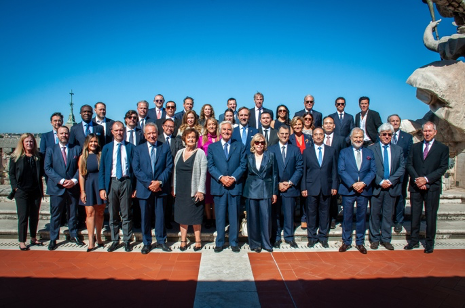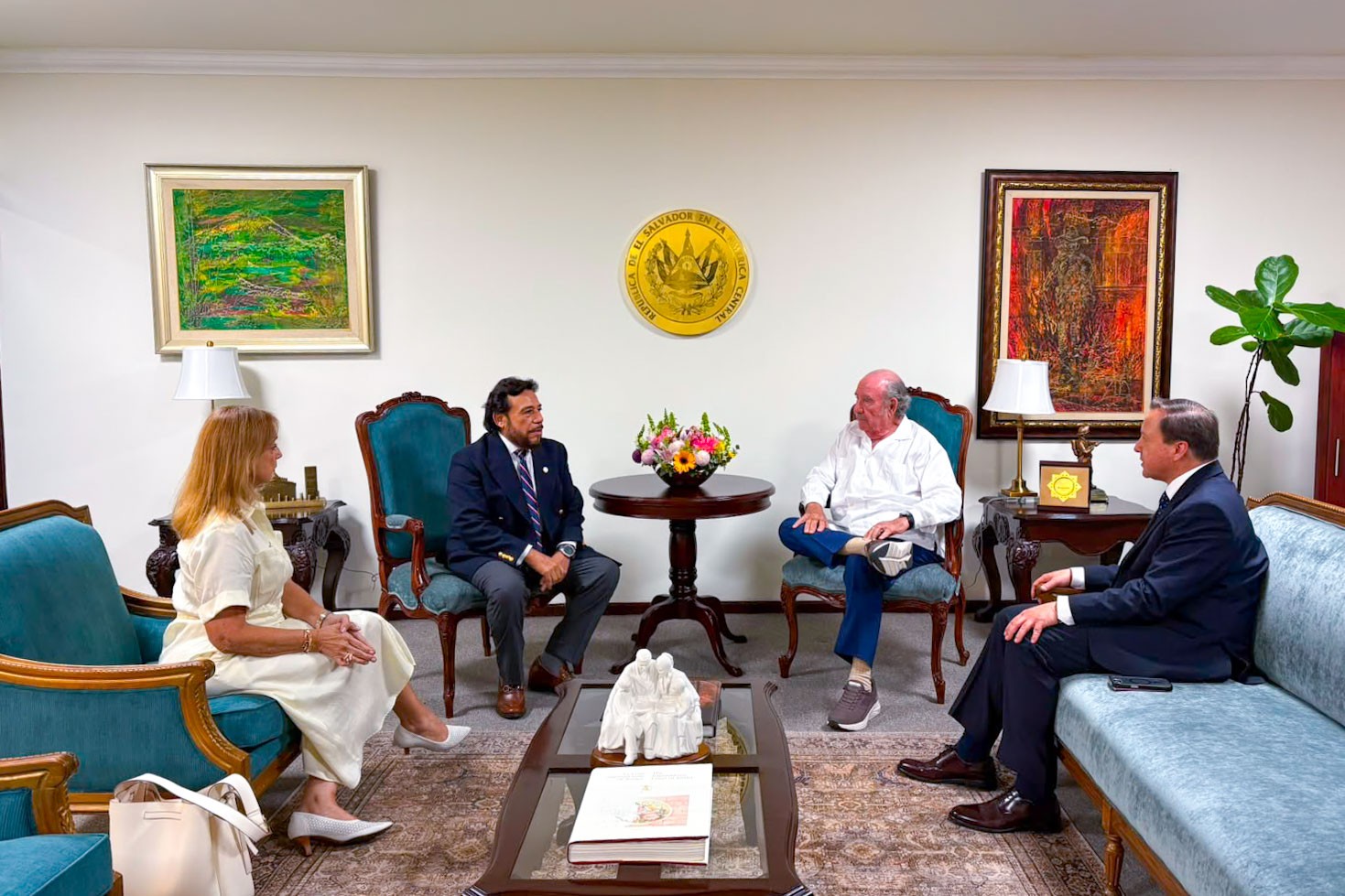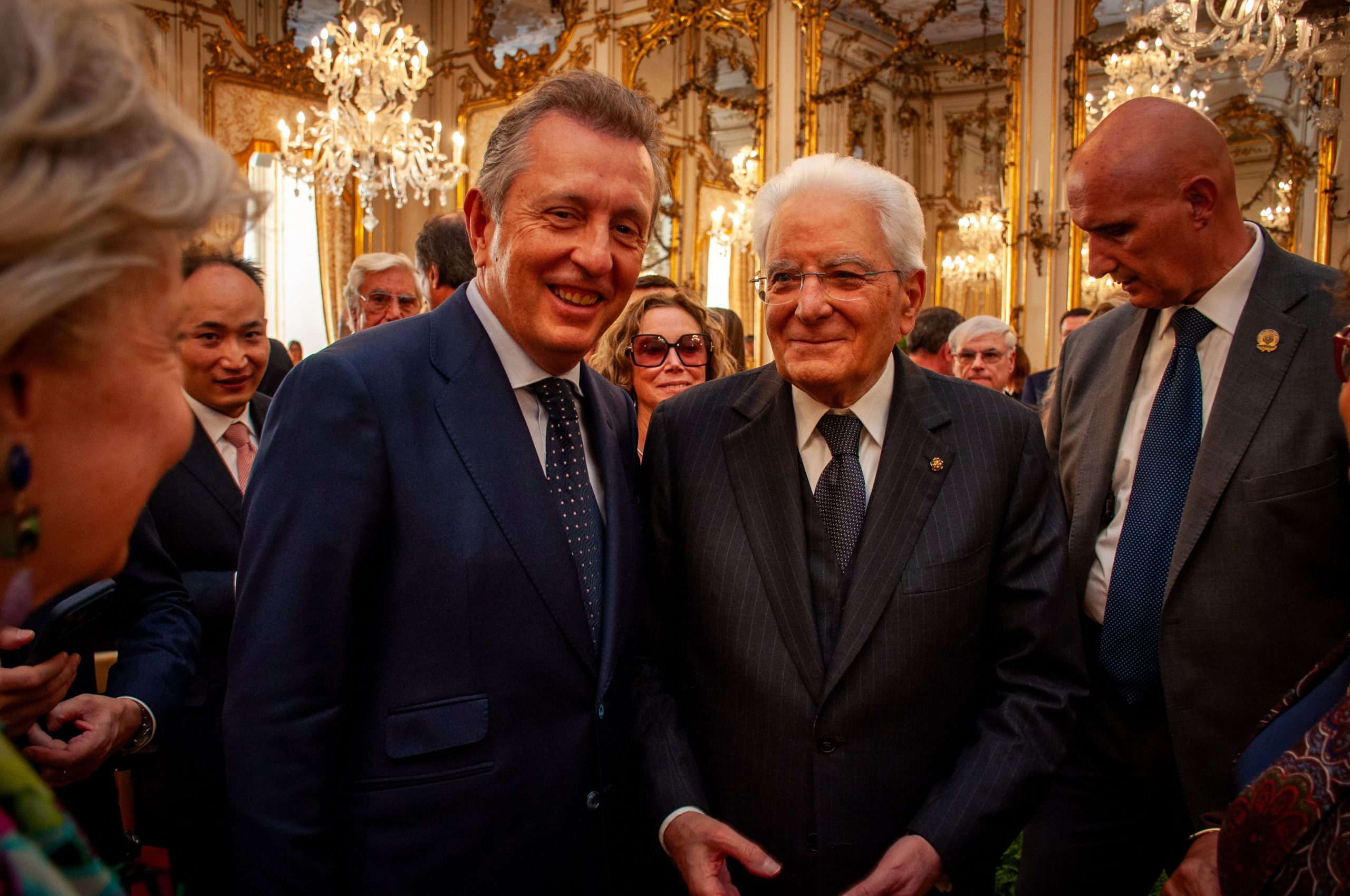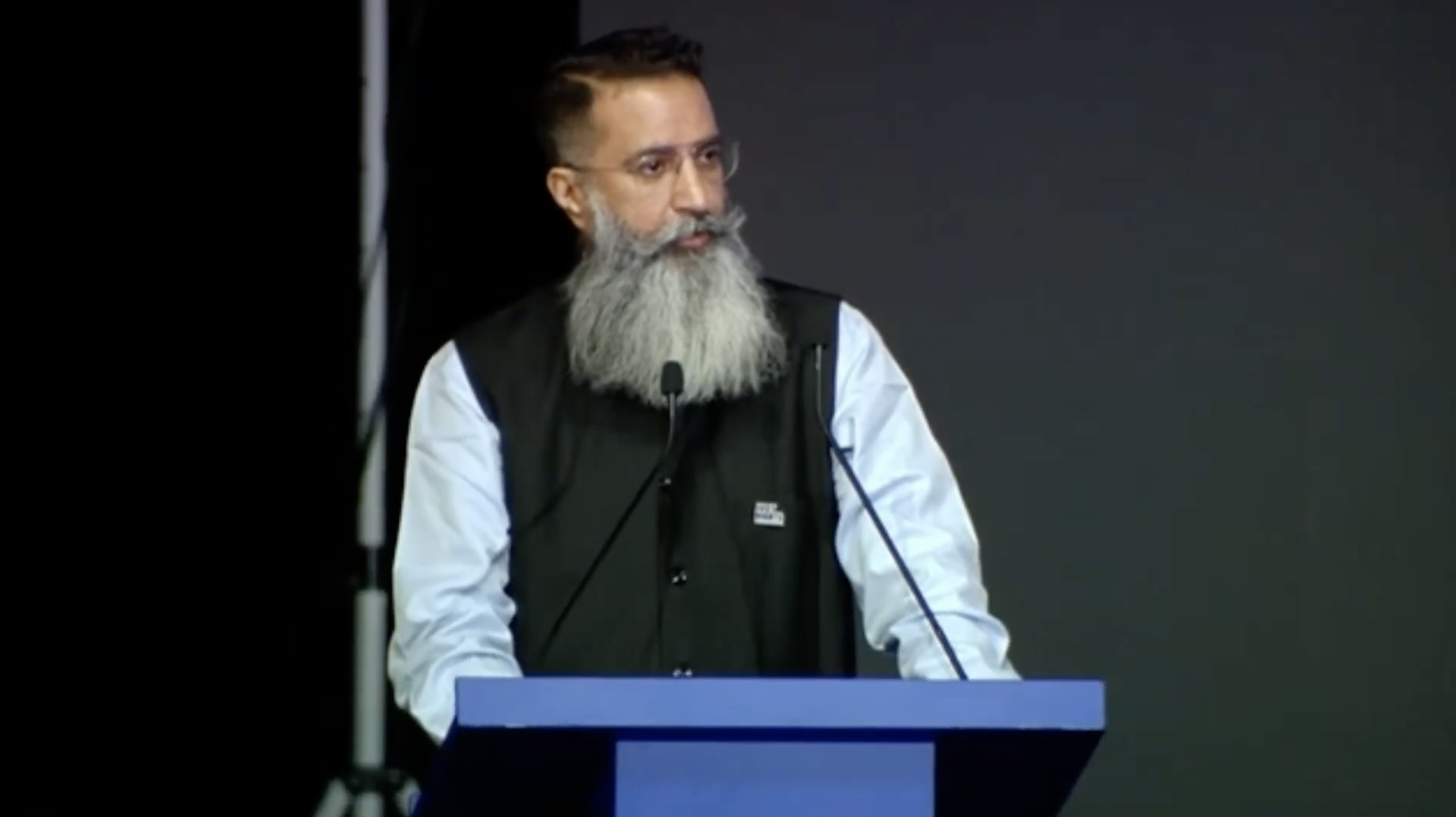

Carlos Creus Moreira, Founder, Chairman and CEO of WISeKey International Holding Ltd and Chairman and CEO of SEALSQ Corp, is joining the Board of Trustees of the World Law Foundation.
As part of his engagement, Mr. Moreira is proposing the creation of a permanent and independent Artificial Intelligence Chapter within the World Jurist Association, supported by a global multistakeholder working group and powered by the HUMAN-AI-T initiative.
The proposed AI Chapter would bring together jurists, regulators, AI companies, scientists, international organizations, civil society representatives and people directly affected by artificial intelligence. Its mission would be to translate the principles of HUMAN-AI-T into operational rules, technical evaluation methods, regulatory recommendations and measurable commitments.
The objective is not to stop artificial intelligence or restrict its extraordinary potential. It is to ensure that AI remains under meaningful human control, respects fundamental rights and protects people’s safety, dignity, identity and autonomy.
“Artificial intelligence is advancing faster than the legal and technical mechanisms created to supervise it,” said Carlos Creus Moreira. “We now need to move from principles to implementation. The World Jurist Association can provide the international legal legitimacy and convening power required, while HUMAN-AI-T and SEALSQ can contribute the technologies needed to make trust, accountability and human oversight verifiable by design.”
From principles to implementation
Artificial intelligence can accelerate scientific discovery, improve healthcare, broaden access to education, increase productivity and help societies manage increasingly complex systems. Its integration into critical infrastructure, financial services, cybersecurity, public administration and defense also creates systemic risks that can extend across industries and national borders.
These risks include large-scale information manipulation, automated cyberattacks, discrimination, loss of privacy, concentration of power, economic disruption, dangerous biological applications and increasingly autonomous systems operating beyond their intended limits.
An important international foundation already exists through the OECD AI Principles, UNESCO’s Recommendation on the Ethics of Artificial Intelligence, the United Nations Global Digital Compact, the Council of Europe Framework Convention on Artificial Intelligence and the European Union AI Act. However, significant differences remain in their scope, legal force, technical metrics and auditability.
HUMAN-AI-T is intended to serve as an implementation bridge between these international principles and the technical systems through which AI is developed and deployed.
Proposed Global AI Chapter
The proposed AI Chapter would establish a permanent institutional framework focused on five priorities:
- Developing a voluntary HUMAN-AI-T Protocol defining practical obligations for developers, deployers and operators of advanced AI systems.
- Creating measurable compliance indicators and independent evaluation methodologies covering safety, transparency, human oversight, identity, accountability and fundamental rights.
- Establishing a global multistakeholder working group connecting technology, law, science, public policy and civil society.
- Producing recommendations that support regulatory convergence across jurisdictions while respecting national sovereignty and existing legal frameworks.
- Publishing an annual independent report on progress, risks and compliance, accompanied by the presentation of a HUMAN-AI-T Award recognizing individuals and institutions that demonstrate verifiable progress in protecting humanity in the Intelligence Age.
The working group would examine how obligations should evolve according to an AI system’s capabilities, autonomy, access to sensitive information and potential impact on people or critical infrastructure. Its work would be evidence-based and structured around proportionate risk thresholds rather than commercial optimism or unsupported catastrophism.
Combining law with trust technologies
The World Jurist Association is uniquely positioned to act as the international institutional driver of the initiative. HUMAN-AI-T requires something that no individual technology company can provide independently: a legitimate and legally independent framework capable of convening different jurisdictions, authorities, industries and societal perspectives in the public interest.
Through SEALSQ and the broader WISeKey ecosystem, the initiative could also draw upon trust technologies including secure digital identity, trusted semiconductors, post-quantum cryptography, hardware-based authentication and verifiable governance mechanisms.
These capabilities could help transform ethical and legal commitments into controls embedded directly within digital infrastructure. Potential applications include authenticating AI systems and agents, verifying the provenance of data and decisions, protecting sensitive information, recording compliance evidence and ensuring that critical actions remain subject to authorized human oversight.
“Trust in artificial intelligence cannot depend exclusively on declarations of intent,” Mr. Moreira added. “It must be supported by law, independent evaluation and technology capable of proving that the required safeguards are active. By combining the international reach of the World Jurist Association with HUMAN-AI-T and SEALSQ’s trust technologies, we can build a practical governance architecture for the Intelligence Age.”
About Carlos Creus Moreira
Carlos Creus Moreira is the Founder, Chairman and CEO of WISeKey International Holding Ltd and Chairman and CEO of SEALSQ Corp. He has led international initiatives in cybersecurity, trusted digital identity, secure semiconductors, post-quantum cryptography, blockchain and space-based digital infrastructure. He is also closely involved with the OISTE Foundation and the HUMAN-AI-T initiative, which promotes the primacy of humanity in the development and governance of artificial intelligence.
About the World Law Foundation and World Jurist Association
The World Law Foundation supports the activities and international mission of the World Jurist Association, an organization dedicated to strengthening the rule of law and promoting a global community governed by law rather than force. Through its international network, it convenes judges, lawyers, academics, public officials, institutions and civil society leaders to address the legal challenges facing society.
About HUMAN-AI-T
HUMAN-AI-T is a global initiative centered on the principle that artificial intelligence must remain accountable to humanity. It seeks to connect human rights, ethical governance, technological safeguards and international cooperation so that AI advances human well-being while preserving safety, dignity, freedom and human autonomy.
About SEALSQ
SEALSQ Corp develops semiconductor, PKI and post-quantum technology solutions designed to protect connected devices, digital identities and critical infrastructure. Its technologies combine secure hardware, cryptographic services and post-quantum capabilities to establish trust across the rapidly evolving digital and AI ecosystems.